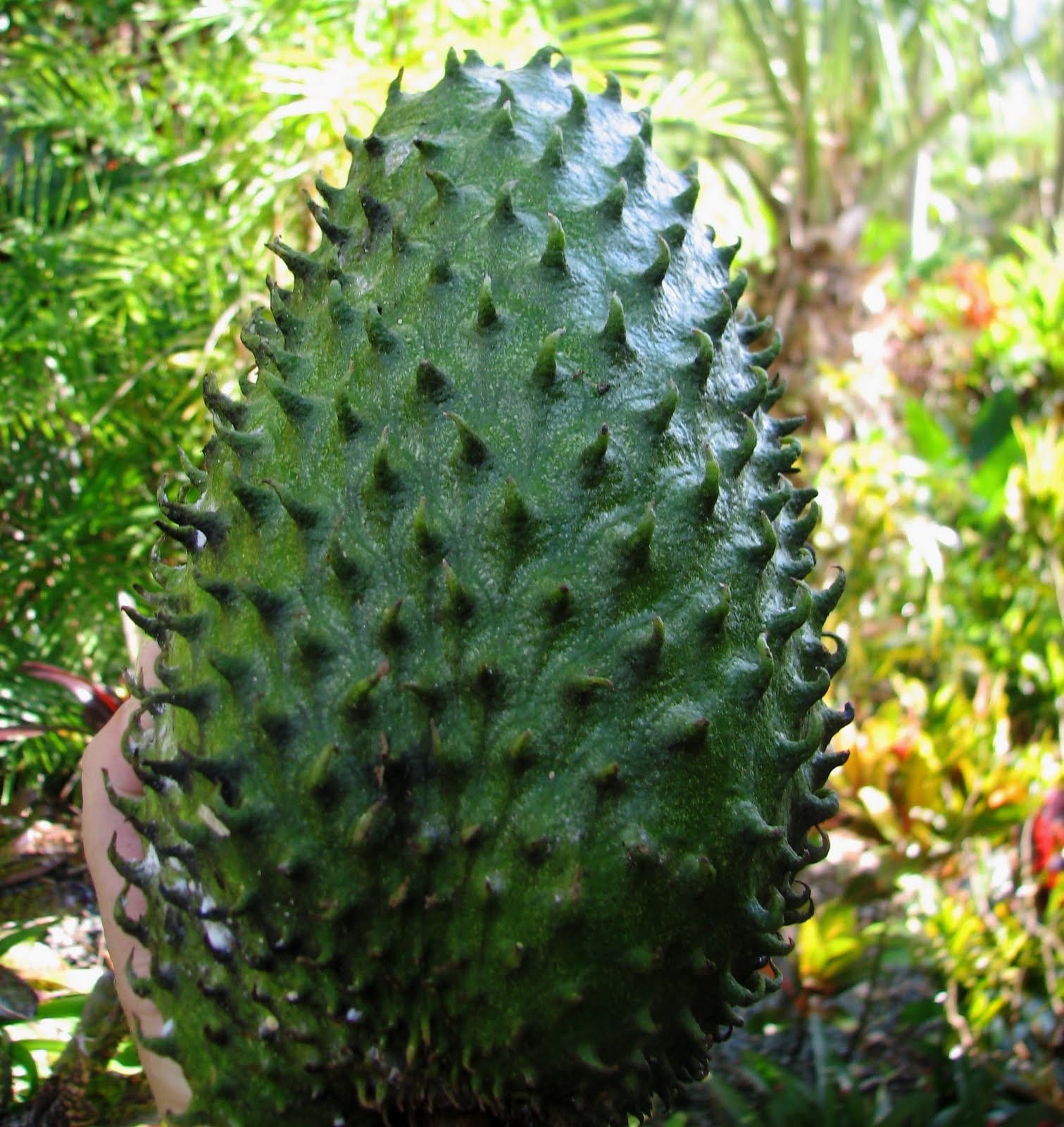
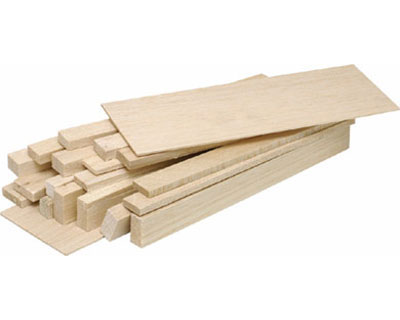
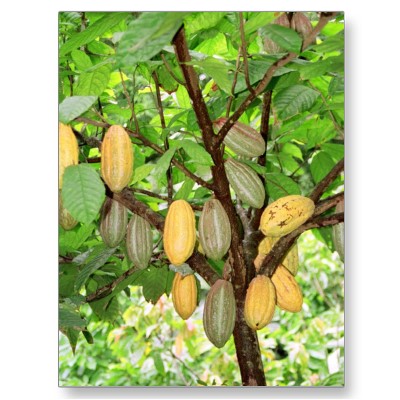
CULTURE Culture Concepts- About half of the population in Ecuador lives below the poverty line. People in Ecuador celebrate all sorts of holidays such as, Año Nuevo, which is New Year's day. They also celebrate Día de los Inocentes and Día de los Muertos. Cultural Differences- The official language of Ecuador is Spanish, but a lot of the population speaks Quicha. Quicha was the language spoken by the Incas. On top of Spanish and Quicha, there are 10 other languages spoken in the country of Ecuador. The majority of the people in Ecuador are Roman Catholic. A very small amount are Jehovah's Witnesses. Only 1.29% to be exact. 6.97% are Jewish, Buddhist and/or Mormon. Most of the Jewish population worship in Quita, the capital city. 71.9% of the population is Mestizo, which is a mix of European and Amerindian. 6.1% are white. 7% are the indigenous people. In Ecuador the women raise the kids and the men don't help raise the children at all. Although the women still do a lot of that they have just recently started to join the work force due to the Women's Suffrage of 1929. At age 15, the girls have a party called the "fiesta de pollo quice" other wise known as their Quinceñera. Cultural Monuments- There is a Roman Catholic Cathedral in the capital city, Quito. Iglesia Parroquial del Sagrario, also called The Parish Church of the Tabernacle, is where a lot of marriages and christenings happen. 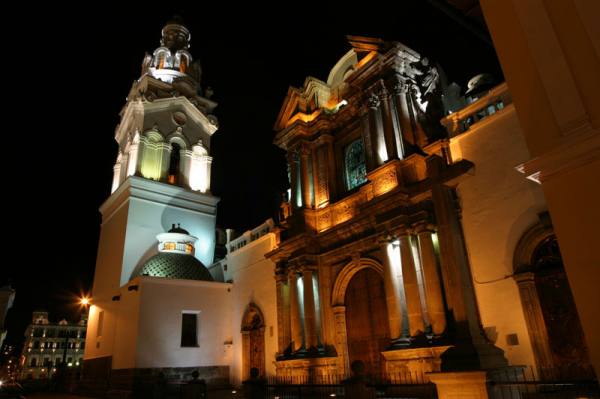 Gerrymandering and Electoral Geography- Gerrymandering is when a country sets electoral districts to support one political party. Only some people in the district may vote. Electoral Geography is the result of an election or the behavior of a country after the results of an election in a general area. Most of the time, the majority of people living in the same area vote for the same political party. It is also a way for the government to see how the election results are changing the way of election. Agriculture- Agriculture is the main part of the economic power in Ecuador even though only 11% of the land can be farmed. The neolithic agricultural revolution was when people started to produce foods at a higher rate. People started domesticating dogs, sheep, goats and other things. With all of the animals, people needed more food to feed all of the animals along with themselves. After the neolithic revolution, people stopped hunting and gathering so much and started going to market to buy their meats and vegetables. During the revolution, peoples eating habits started getting better. People started eating more fruits and vegetables. In Ecuador some of the major agricultural products are bananas and coffee. They also produce potatoes, sugar cane, balsa wood and cocoa. In Ecuador people grow fruits such as, banana passion fruit which is referred to as "taxo." Another fruit they grow is guanábana. Urbanization- Urbanization is the growing of urban areas. People move from cities to smaller areas around the town called urban areas. Because people are living outside of towns and having to pump water and electricity out to the urban areas, and people have to drive into the towns or cities to go to work so it causes a lot more air pollution. |
INDUSTRIALIZATION AND ECONOMIC DEVELOPMENT Ecuador produces a lot of petroleum, which is used to make gasoline for cars and anything else that uses gasoline. They also produce a lot of foods POLITICAL ORGANIZATION OF SPACE Territoriality is the boundary of territory or space that is placed non-verbally. The Peruvian-Ecuadorian Territoriality Dispute that lasted 170 years from 1828-1998, is a great example of territoriality. Boundaries are placed to show where a country's border is. They can be formed by the government or by a river or a mountain range or any natural barrier. The Ecuadorian- Peruvian dispute was a war that was caused because of the boundaries. Peru didn't believe that Ecuador's territories went into the Andes mountains, so Peru inhabited the "vacant" land. Ecuador attacked on Peru, causing the war, also known as The War of '41. The nation state concept is a country with defined borders. The country also has sovereignty, which is a country that governs themselves. Colonialism is when a country governs or runs another country. Imperialism is the push of a country's power through military groups and/or diplomacy. Ecuador is neither. Ecuador is a socialist country. A federal state is a self governing state. It is usually a sovereignty state. A unitary state is a state that has its own government. It governs a group of other countries. The United Kingdom is a unitary state. The United Kingdom includes, Scotland, Ireland, England and Wales are all governed by the United Kingdom. 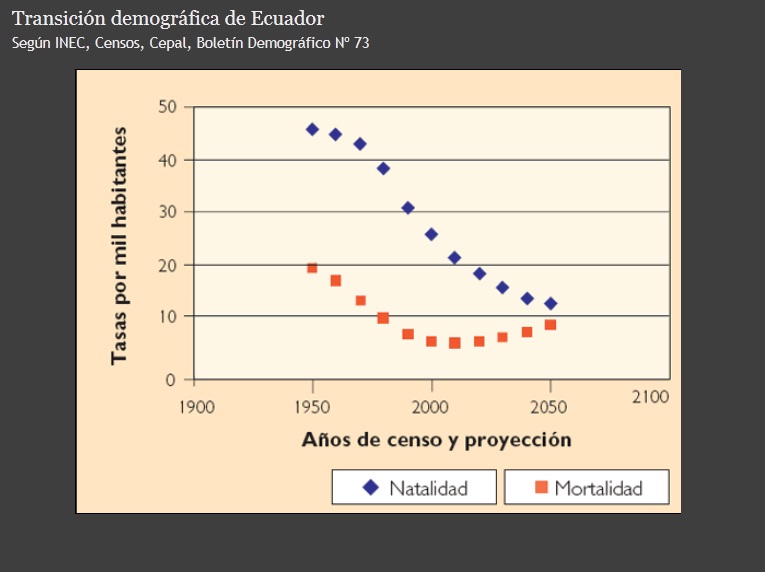 Fragmentation, Unification and Alliances in Ecuador- Ecuador has alliances with the countries of Latin America. There alliance is called ALBA. ALBA is a treaty that was first brought to the table by Hugo Cháves. It was used as a kind of compromise for FTAA or the Free Trade Area of the Americas. The FTAA was proposed by the United States of America. 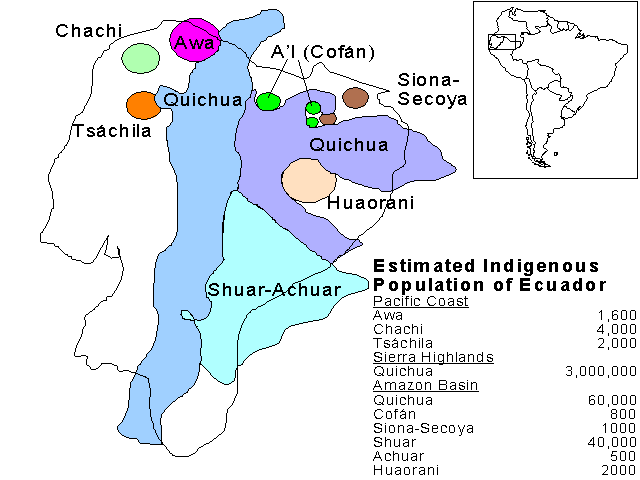  |
POPULATION The population of Ecuador as of July 2012 is 15,223,680. Most of the population lives in the Central provinces. They also live in the Andes. Only 3% of the population live east of the Andes. Population Growth and Infant Mortality- The infant mortality rate is 19.06 deaths to 1,000 births. The population growth rate is 1.443% as of 2011. The death rate is 5.01 deaths to a population of 1,000. The birth rate is 19.6 births to a population of 1,000. This means the population in Ecuador is growing exponentially. Ecuador is still going through demographic transition. It is estimated to be done with the process by 2050. The life expectancy age is 98. Health of the population- As of 2007 there were about 26,000 people living with HIV/AIDS. In 2010, there was an outbreak of the Dengue Fever. Dengue Hemorrhagic Fever is a higher stage of Dengue Fever and it is life threatening. Dengue Fever is a tropical disease that is spread by mosquitoes. It has multiple symptoms, such as, headaches, fevers and a severe rash that is a lot like measles. Dengue Hemorrhagic Fever is a lot more severe and causes random bleeding and a shortage in blood platelets. Malaria is not very common, but there are a few cases. The percentage of the population that gets Malaria is .686%. Push and Pull factors of Living in Ecuador- Some pull factors of living in Ecuador is the weather. It's not to dry and not to wet and the people are friendly. Some push factors are there are some cities that you should not go alone at night because there is a chance that you could get mugged or raped. That could happen anywhere and could be a push factor of any country. Another pull factor is the cheap living. Gas is cheaper and housing is more affordable. Forced Migration- Ecuador is a capitalist country. As a result of this, forced migration is occurring. Along with forced human trafficking is also occurring. Human trafficking is the illegal trade of human beings. |